1. Fulfilling the Museum’s primary mission: permanently showcasing catalonia’s artistic creation across its entire history to the present day
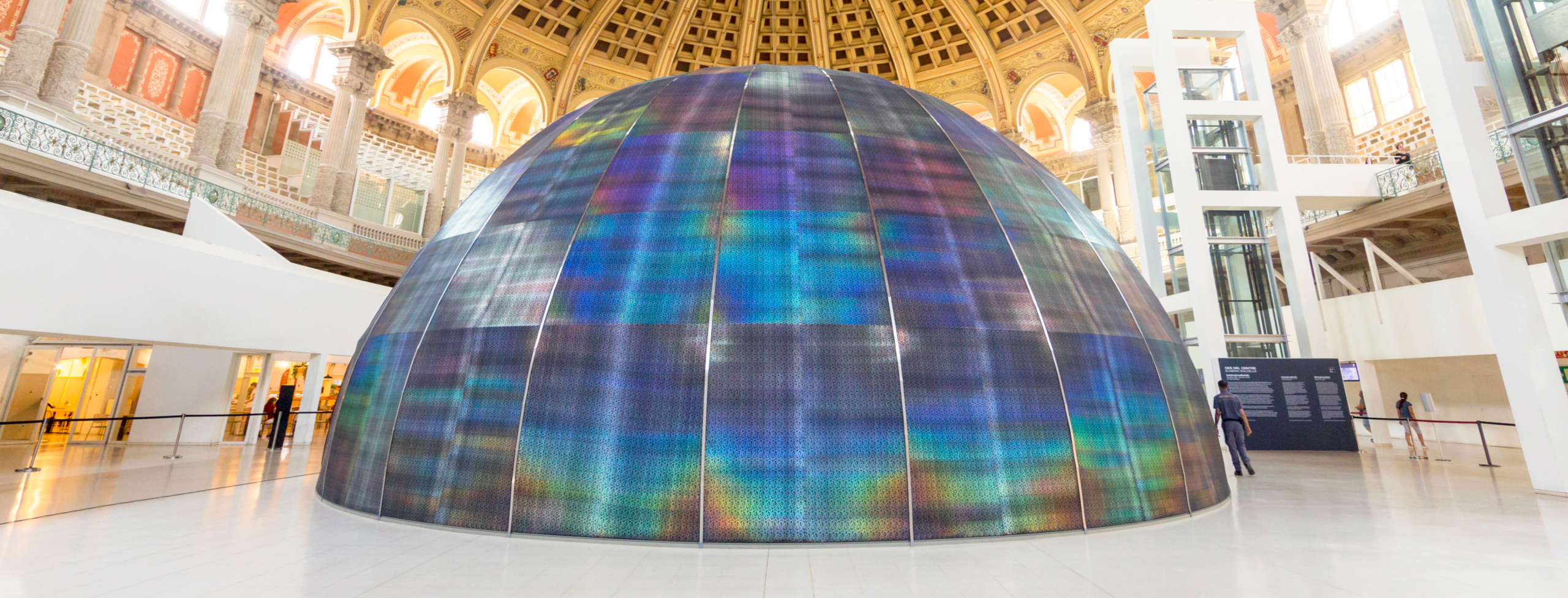
The Museu Nacional d’Art de Catalunya, founded in 1934 by its first director Joaquim Folch i Torres, has experienced a turbulent history, marked by major events such as the Spanish Civil War and the Franco regime. These disruptions have so far prevented the Museum from realising its original vision: a national art museum that permanently showcases Catalonia’s artistic creation, unrestricted by period, and accessible to all under the best possible conditions.
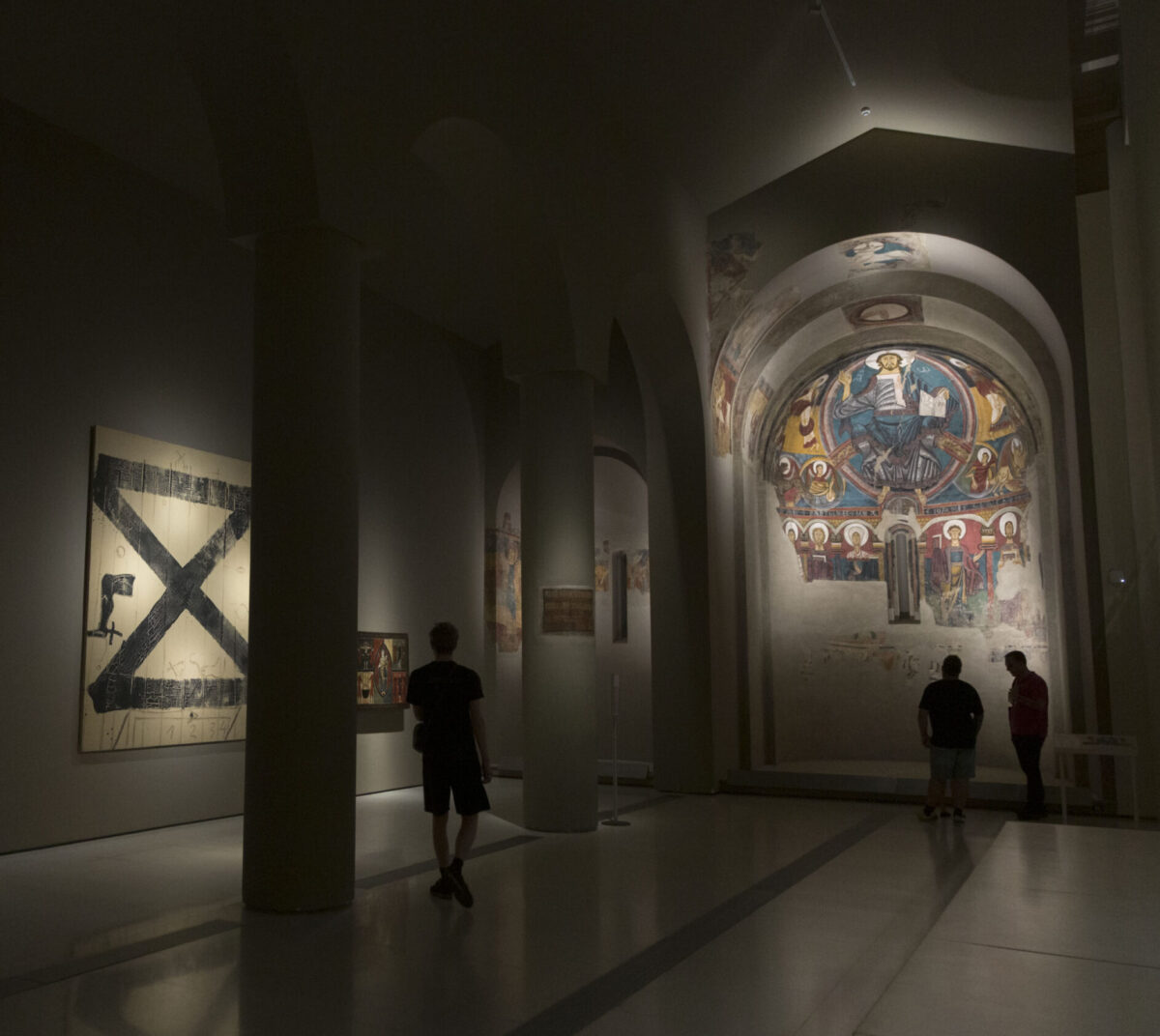
During the Franco era, the Museum was split across two buildings, with its collections divided between the Palau Nacional and the Parc de la Ciutadella. Although the collections were reunited at the Palau Nacional in 2004, the permanent display remained chronologically limited to works created before the Spanish Civil War. This left more than two generations of artists and creators unrepresented – decades that were crucial for the country, culturally rich and complex, and which vividly reflect Catalonia’s history over the past century.
For the past twenty years, the need to expand the Museum’s space has been evident: to accommodate artistic production from the 1940s onwards, including essential new areas such as photography, visual media and comics. The long-awaited extension will finally address a unique cultural gap in Europe: the lack of permanent representation of the country’s full artistic output. This is a mission unique to the Museu Nacional: if the Museum does not undertake it, no other institution will.
2. Opportunity and context: 1929–2029, two milestones rooted in the same place
An undertaking of this scale and significance for Catalan culture – and for the country as a whole – can only come to fruition when political consensus, institutional maturity and the right moment align. That moment has now arrived.
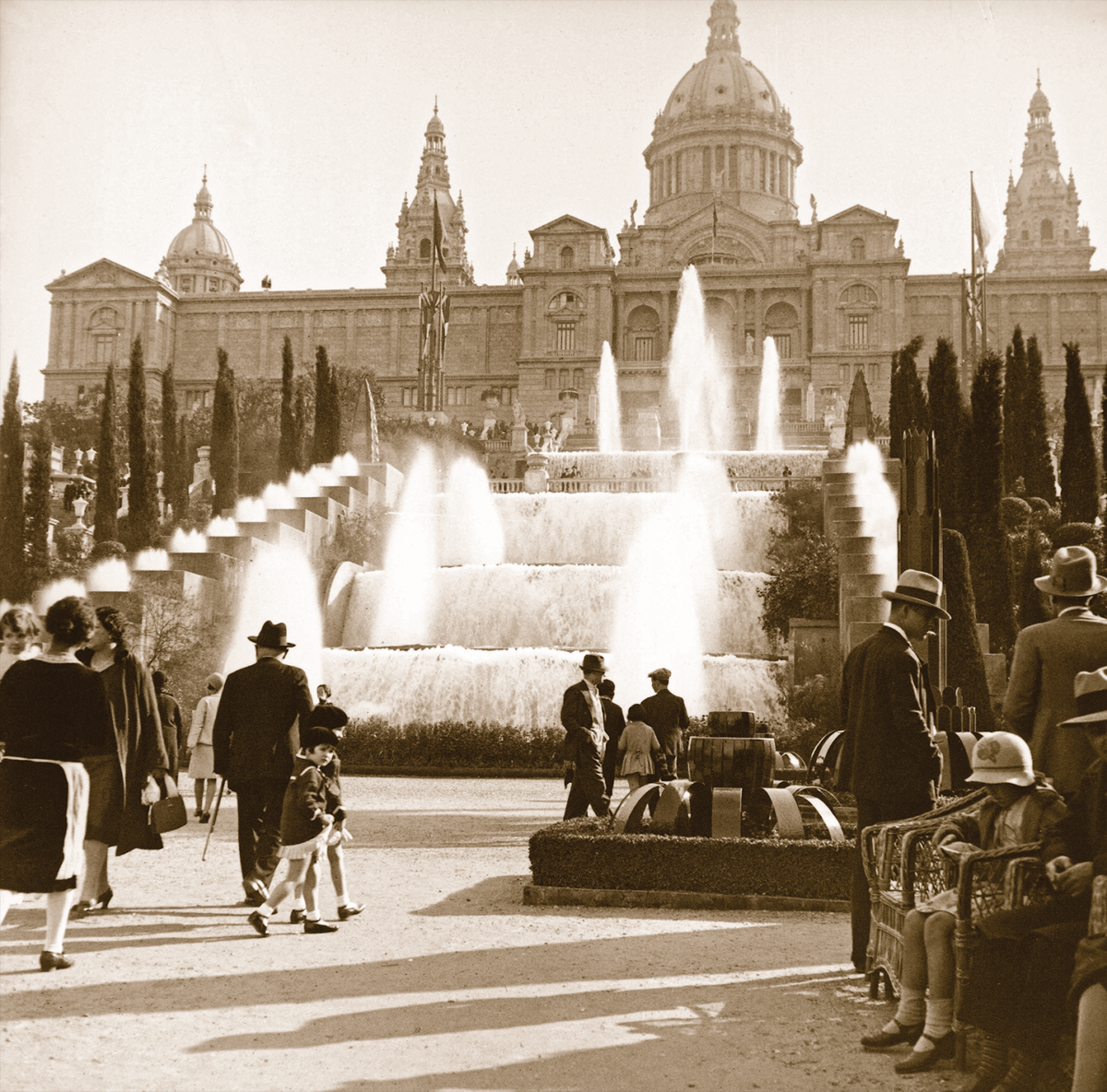
The target date of 2029, marking the centenary of the 1929 Barcelona International Exposition, together with the wider Montjuïc redevelopment project and the profound urban transformation it entails, provides the ideal context in which to complete the Museum’s extension. A century after the event that placed Barcelona on the world stage, this expansion renews that momentum and carries it forward with a contemporary, forward-looking vision.
The project will also help consolidate Montjuïc as one of Europe’s leading cultural hubs. Here, the MNAC stands alongside major institutions such as the Fundació Joan Miró, the Mies van der Rohe Pavilion, CaixaForum Barcelona, the Museu d’Arqueologia de Catalunya, the Teatre Lliure and the Mercat de les Flors, among others – together forming a cultural landscape of exceptional density and international reach.
3. A humanist commitment in times of uncertainty: art and culture at the heart of public life
In the present moment, more than ever, it is vital to reaffirm that art and culture are essential tools for understanding the human condition. They offer a rigorous and critical perspective through which to deepen our understanding of the world, of life and of the choices we face today.
This perspective must be ambitious, grounded and shared – capable of nurturing the creative imagination needed to envision meaningful futures. In the face of abuses of power, a broad climate of conflict, the rise of populism, the spread of alternative realities and widening inequality, the extension represents a clear commitment to prioritising the arts and placing culture, its institutions and its achievements at the centre of public life.
It is entirely fitting that this renewed, humanist commitment to culture should be embodied in a museum that has witnessed both the best and the worst of the human condition. Within the span of less than a decade, it hosted an International Exposition celebrating human progress and later served as a place of refuge for cultural heritage during one of the most devastating conflicts of the 20th century (1936–1939). This memory is not merely historical – it strengthens the Museum’s responsibility in the present.
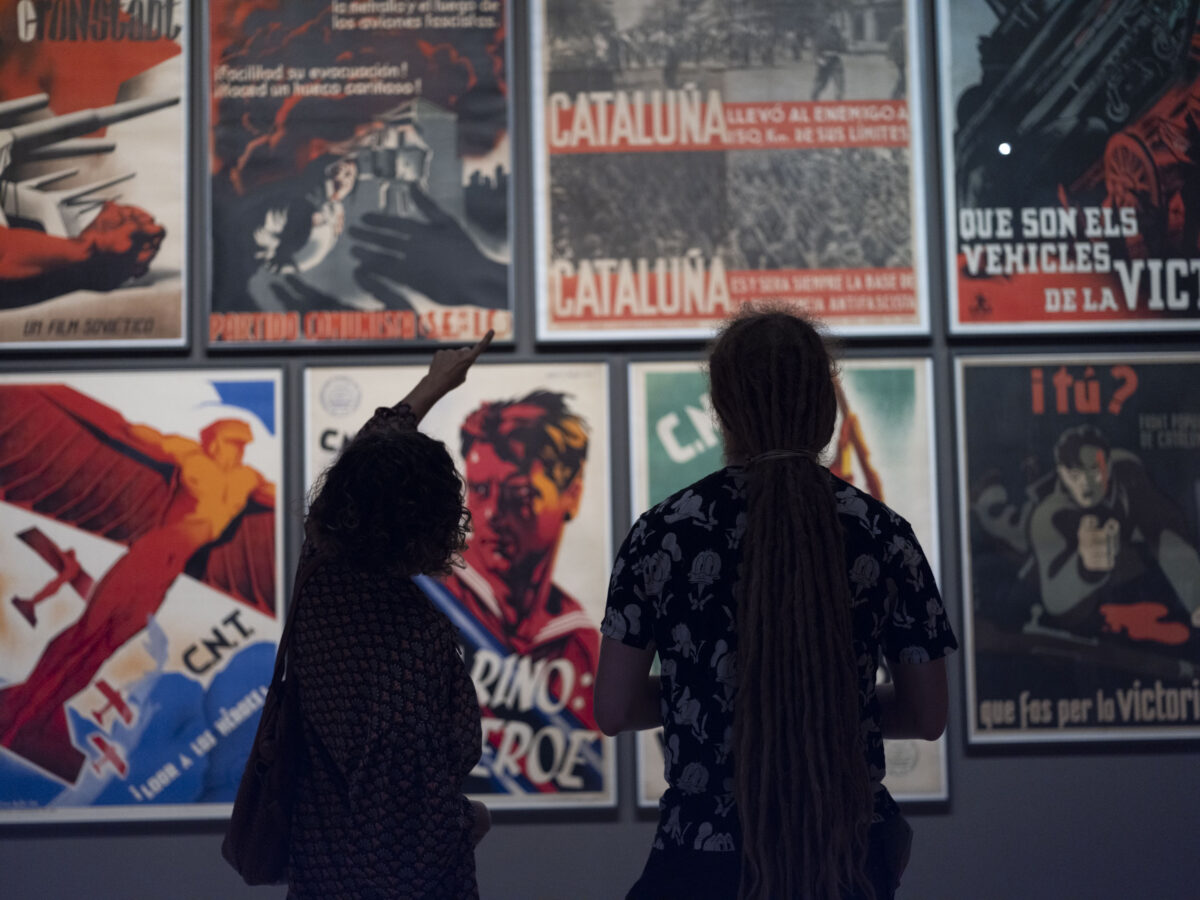
4. A Museum for the whole country: national representation and a cohesive art network in Catalonia
While the extension will take shape in Barcelona, its scope is national. As an institution of strong symbolic significance, the Museum assumes responsibility for representing artistic creation across the whole of Catalonia, in all its breadth, beyond the capital. A core mission of the MNAC is to bring together the most comprehensive possible representation of Catalan art across its history and to make it accessible to all.
The New Museum will have a direct impact on Catalonia’s museum ecosystem, particularly the Network of Catalan Museums, of which it is the leading institution. An active policy of collaboration in recent years has expanded the network from four to twenty-seven institutions — a major shift that has also redefined the Museum’s role at a national level.
This growth has strengthened both its responsibilities and its capacity to support and work with museums across the country. The extension will enable the MNAC to fully consolidate this coordinating role, meeting the level of ambition it requires, and ensuring that Catalonia’s art museums find in the Museu Nacional a stable extension of their work, as well as a robust platform for support, collaboration and coordination.
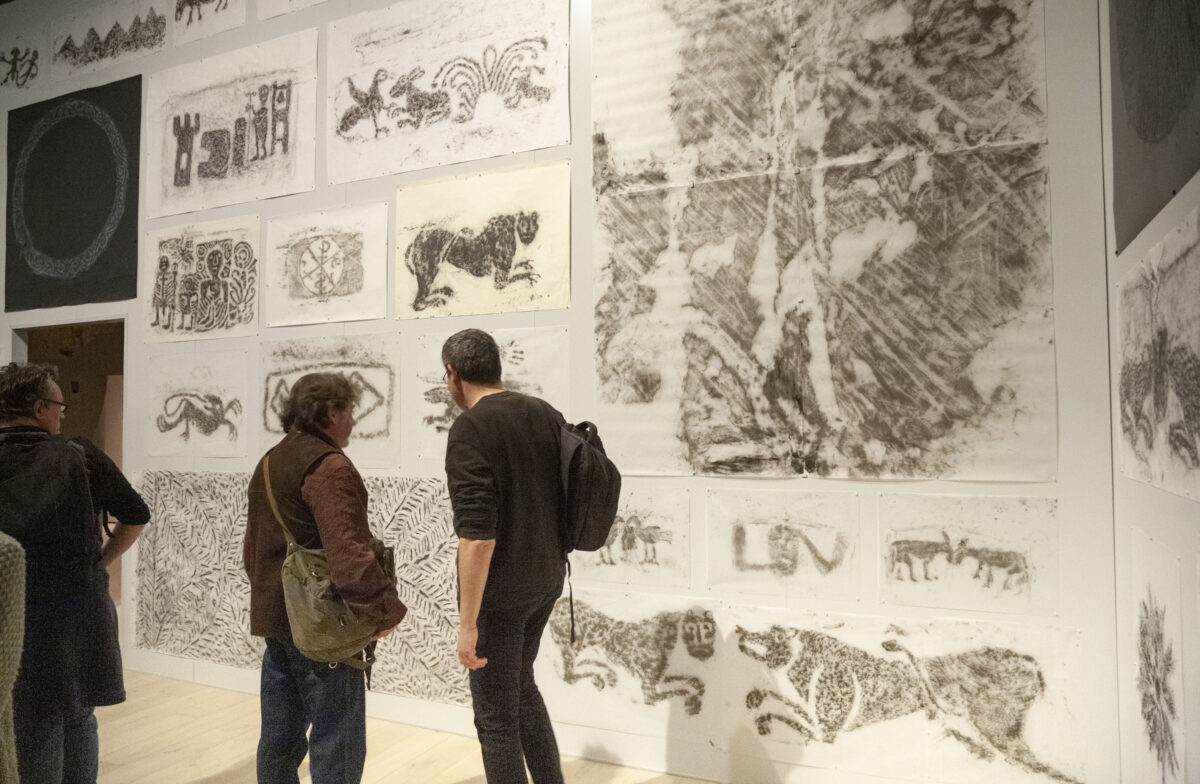
5. The Museum as a home for artists: from heritage to contemporary creation
The extension will place artists firmly at the heart of the Museum, where they rightly belong, in what is ultimately their home. The Museum is a living institution that, regardless of the chronology of its collections, exists in a continuous present. Living artists, in particular, play a vital role in shaping it as a space for dialogue and contemporary creation, bringing critical insight and constant reinterpretation. Artists work within the Museum and help shape its future collections, and it is the institution’s responsibility to support, validate and protect their work.
Since it moved beyond the chronological cut-off of the Spanish Civil War, the Museu Nacional has included works by contemporary artists in both its permanent galleries and temporary exhibitions. This approach will be further developed in the new spaces, encouraging meaningful dialogue between past and present.
The extension is also essential to ensure the Museum can fulfil its fundamental role of safeguarding the vast body of works in its care. The continuous growth of the collections, combined with increasingly saturated storage facilities, is making both conservation and public access more challenging. The incorporation of new disciplines and artistic formats in recent years – particularly in contemporary art – has accelerated this growth, placing greater demands on conditions for conservation, display and public engagement. Expanding, freeing up and reorganising space is therefore essential if the Museum is to fully fulfil its mission.
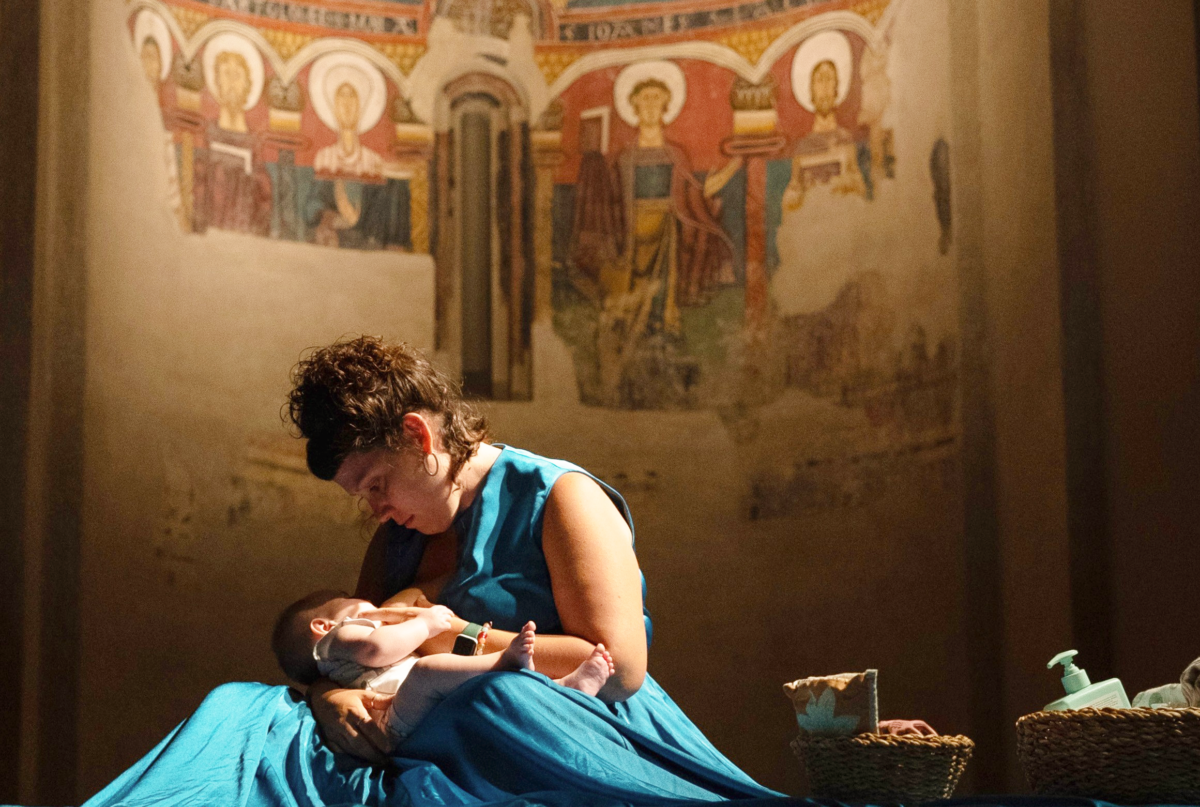
6. A 21st-century agora: an opportunity to transform the “encyclopaedic museum”
The Museum is actively engaged in the major debates shaping leading cultural institutions today, both in Europe and internationally, and plays a central role in the profound transformation museums have been undergoing in recent years.
The extension will allow the MNAC to tackle this challenge more fully, opening up new ways of working that will help redefine the museum model and expand activities already central to its mission.
Transforming the Museum means questioning who frames the gaze, who decides what is displayed and what is excluded, and from which perspectives it is interpreted. It requires an ongoing and far-reaching reassessment of the canon, a rebalancing of the viewer’s position and the multiplication of perspectives. It also involves recovering overlooked or silenced narratives, rethinking established categories and hierarchies, reviewing how and with whom the institution operates, and engaging critically with conflict and historical memory.
In this context, the MNAC must evolve into a space both attuned to the present and rich in meaning: a civic forum that people can truly claim as their own, closely connected to the society it serves and the issues that matter, while projecting a vision into the future.
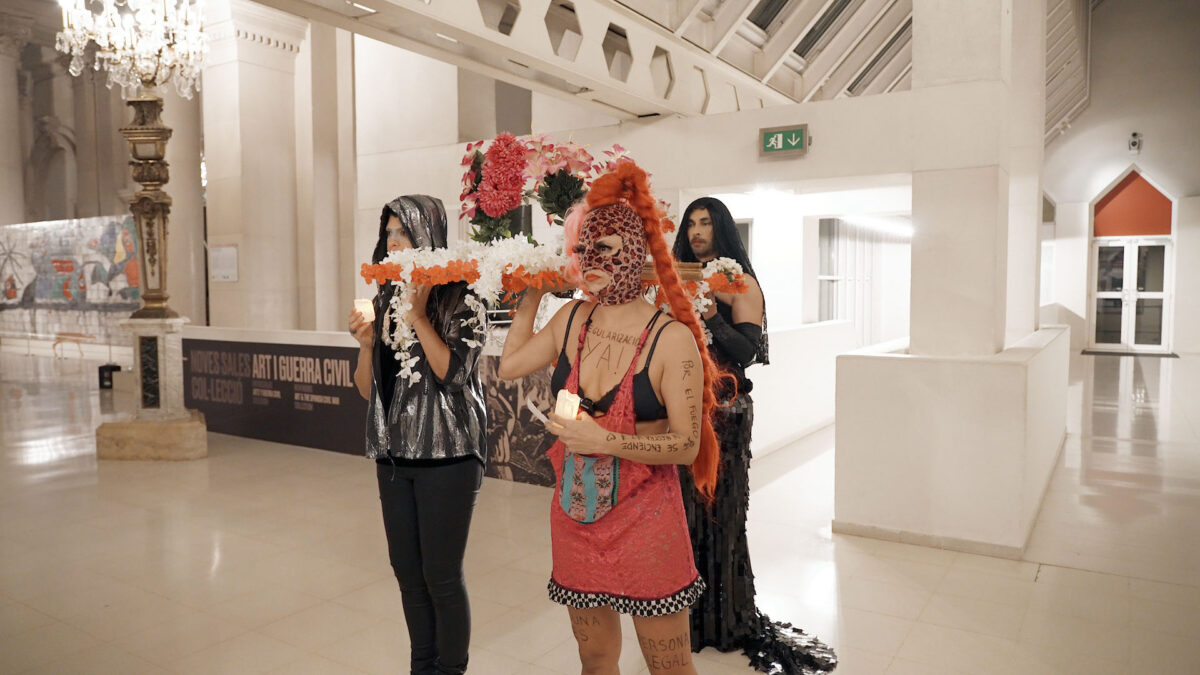
7. The Museum as a public service. People at its heart – education, inclusion and care as guarantees of cultural rights
The Museum exists for people – for society as a whole. Its public service mission must underpin the entire project. The extension is justified insofar as it strengthens the Museum’s capacity to create diverse contexts for experience, interpretation and engagement that respond to real needs and ensure the effective exercise of cultural rights.
The Museum should be a place of encounter – a space for cohesion and for individual and collective wellbeing. Enhancing accessibility, upgrading facilities and broadening opportunities for participation are essential, alongside reinforcing the Museum’s role as an active driver of equity and social transformation.
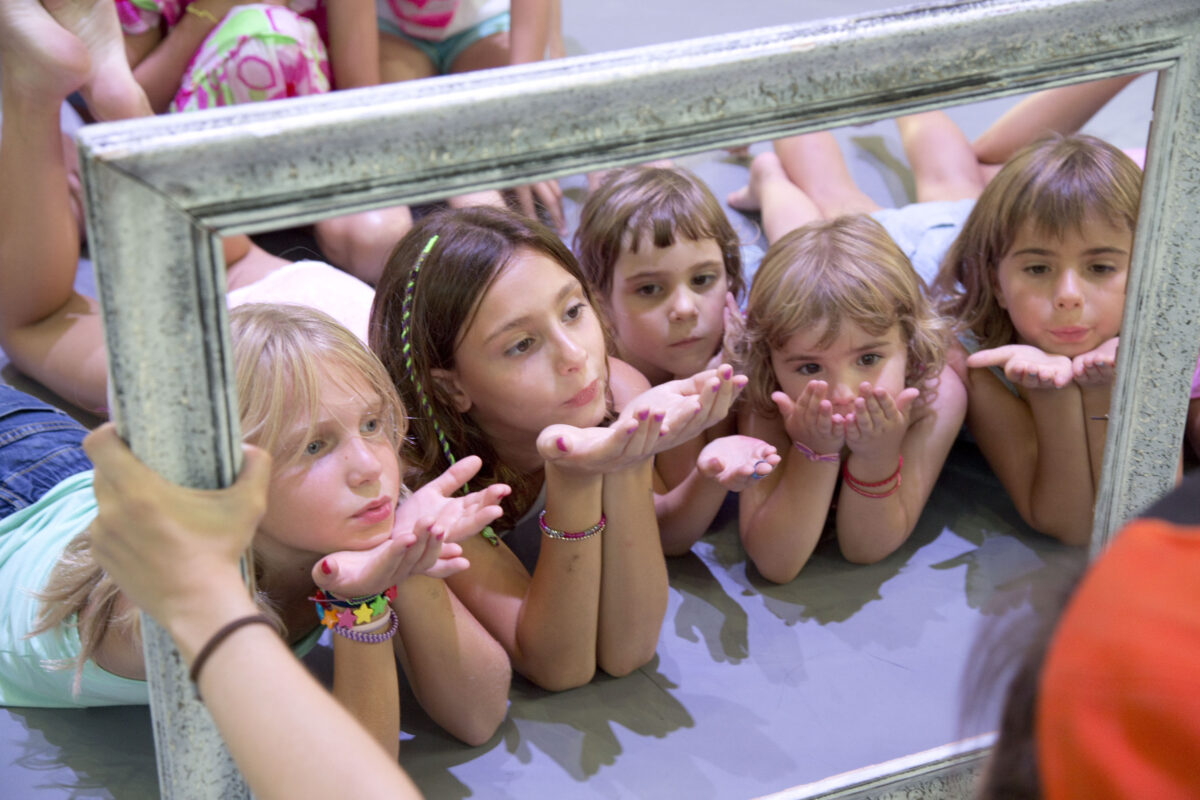
The Museum’s educational impact must grow in ambition, scale and depth. This is not merely a matter of increasing the number of activities, but of consolidating a model of critical, cross-disciplinary and intergenerational learning that places works of art in dialogue with the present and with contemporary challenges. Education, understood in its broadest sense, becomes a structural pillar of the new Museum and a key means of realising these rights.
At present, the Palau Nacional’s spatial and functional limitations significantly restrict this role – particularly in education, community engagement and meaningful participation. The extension will allow the Museum to take a significant step
8. International presence: showcasing catalan art and artists globally
The MNAC holds the country’s most extensive art collection, a unique resource for collective memory, for reflecting on the present and for shaping the future of Catalan art. Its collection is significant not only for Catalonia but also on a European and international scale. Universally important works, such as Romanesque and modernista art, among others, place the Museum firmly on the map of leading cultural institutions worldwide.
The Museum serves as a strategic platform for promoting Catalan art and culture on the international stage. In recent years, research initiatives, partnerships with key institutions and participation in global networks have strengthened this international profile. The extension will allow this presence to be fully realised, providing the Museum with spaces and infrastructure that meet the highest international standards, supporting more active participation in major exhibition circuits, enabling co-productions with top-tier institutions and facilitating more ambitious touring programmes.
Catalonia and Barcelona will therefore have a fully developed Museu Nacional, with an artistic programme that reflects their rich cultural and creative tradition, matching the expectations placed on a European cultural capital capable of projecting its heritage and creative output internationally.
9. Strategic alliances for a nationwide commitment: a collective project embedded in Catalonia’s cultural system and civil society
By its very nature, the extension project is collaborative and plural. The teams driving it extend beyond the institution itself, drawing on external expertise and reflecting an intergenerational approach that mirrors the complexity of the moment.
Over recent years, the Museum has pursued a sustained policy of dialogue and partnership with institutions, organisations and collectives across the country, producing tangible results. The extension comes at a moment when the Museum has gained a clear understanding of Catalonia’s artistic and cultural ecosystem, its dynamics, and has established relationships of trust that provide a solid foundation for planning the future. The project’s strength stems not just from the collections or the Museum’s historical importance, but from its ability to listen, connect and work closely with Catalonia’s cultural ecosystem, which has informed and been involved in every stage of the process.
Artists, families, foundations and institutions that preserve and study the work of creators are active participants in this effort, continuing a tradition in which civil society has contributed its best to the development of Catalonia’s major cultural institutions.
In this way, the extension forms part of a sustained collective endeavour, based on cooperation with public and private institutions, organisations, associations, individuals and communities that reflect the diversity of voices and realities across Catalonia. Both existing and forthcoming partnerships will be pivotal in shaping the new Museum and are strategically essential for completing the collection of art from the second half of the 20th century.
10. Sustainability as a principle: climate commitment and responsible heritage management
Sustainability is a central and cross-cutting principle of the extension project, set against a backdrop of climate emergency that demands the highest standards of responsibility from public institutions. The Museum treats this commitment not as an add-on, but as a structural principle guiding every decision.
In this context, the architectural intervention follows a principle of minimal impact, working carefully with the Palau Victòria Eugènia to respect its pre-existing structure while enhancing its volumetric, heritage and spatial characteristics. The project combines expansion with respect, creating new spaces without compromising the building’s historical value.
The Museu Nacional is already a pioneer in environmental management: it holds ISO 14001 and EMAS certifications and implements an environmental management system that ensures all activities are carried out with maximum care for the environment and minimal impact.
As a member of the international Bizot group, the Museum adheres to the Bizot Green Protocol and follows ICOM’s strategic recommendations, recognising the need for museums to review their practices and respond rigorously to the climate crisis. This commitment is reflected in efficient management of water and energy, reduction of waste and disposable materials, and the application of environmental criteria across all Museum operations.
The extension incorporates passive climate-control systems, renewable energy generation, locally sourced natural materials and strategies to minimise environmental impact across the building’s entire lifecycle. It is designed to reduce the carbon footprint during both construction and operation, lower energy demand and achieve climate neutrality. The project aims for the highest LEED certification for outstanding energy performance, alongside WELL certification, which evaluates built environments in terms of comfort and indoor environmental quality – reflecting the Museum’s public responsibility.
You may also be interested in…
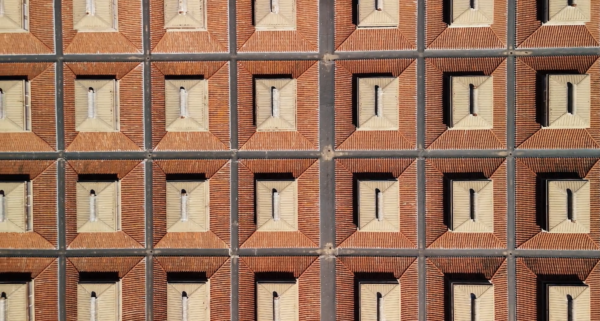
The architectural project
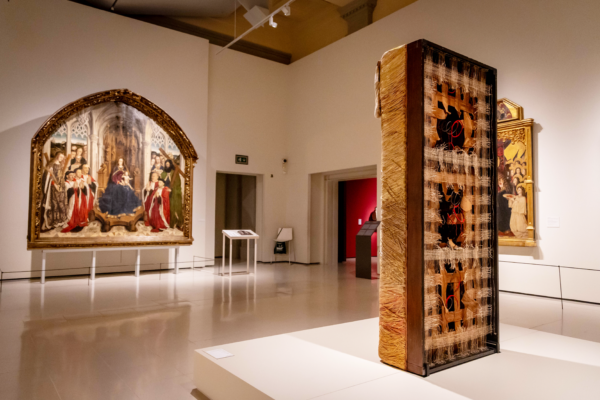
Curatorial project
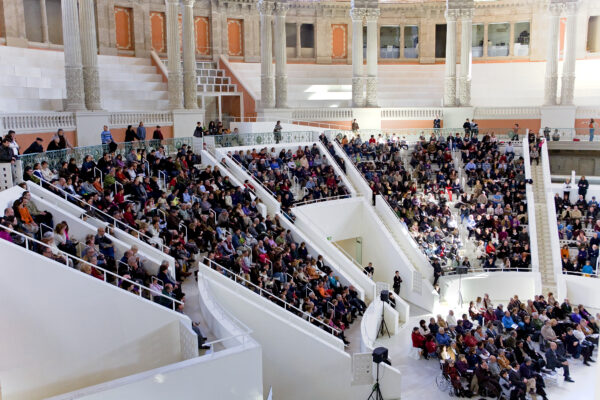
Public programme
Discover more on the Canal +MNAC. Discover more on the Canal +MNAC. Discover more on the Canal +MNAC. Discover more on the Canal +MNAC. Discover more on the Canal +MNAC. Discover more on the Canal +MNAC.