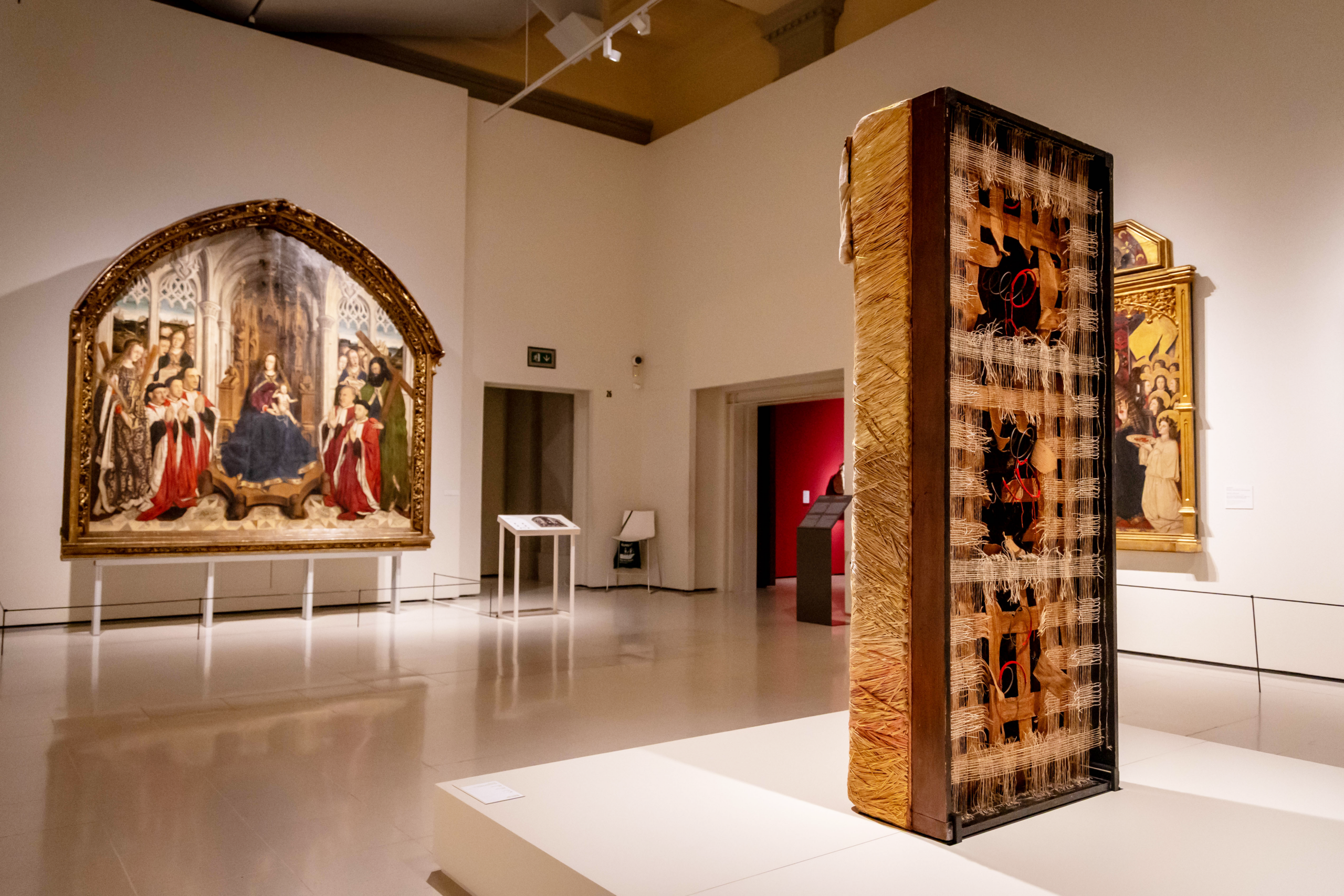
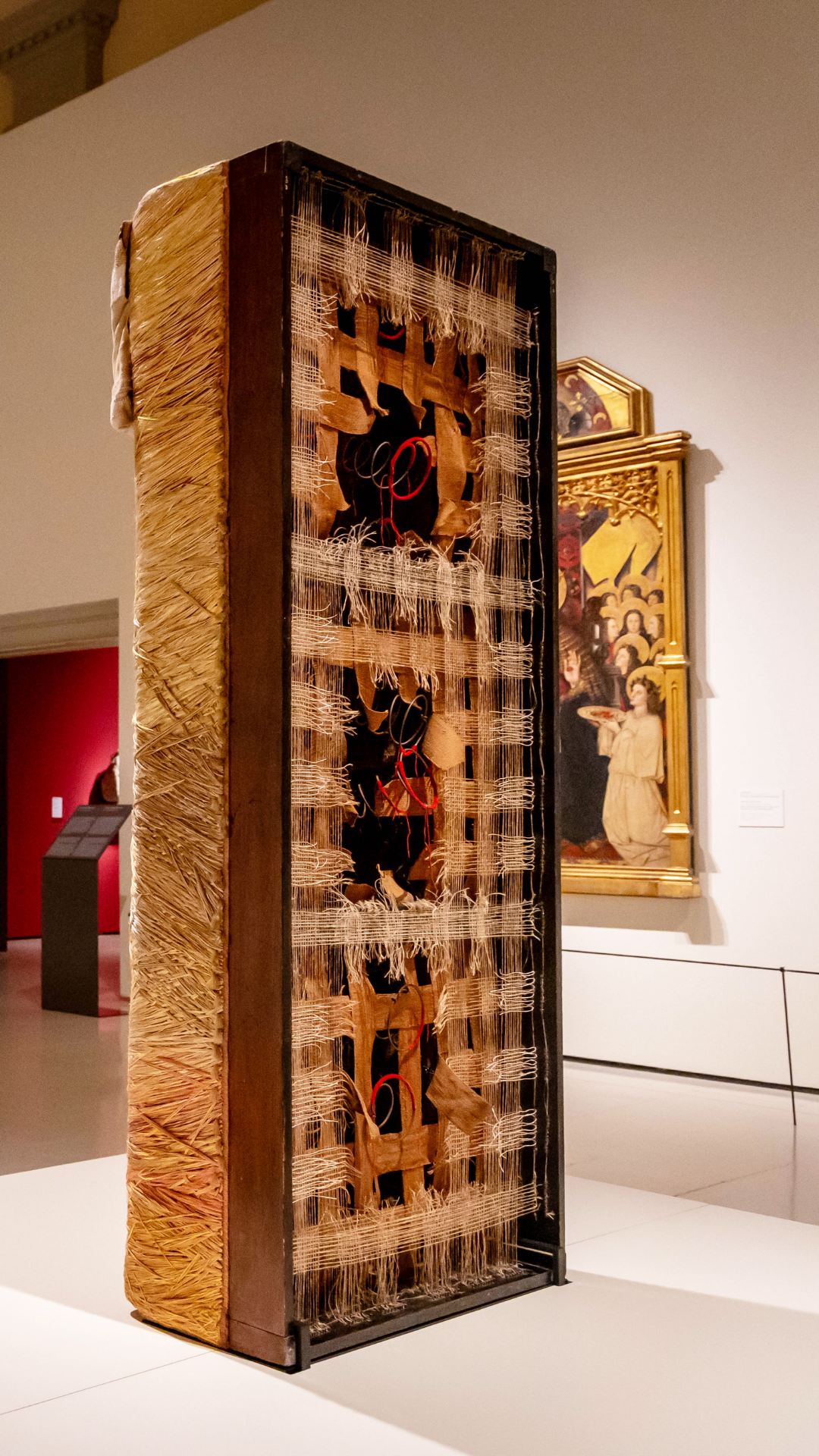
The roll-out of the New MNAC involves in-depth work along several lines, including profound reflection and work on curating the collections. In accordance with the MNAC’s usual practices, this will involve multifaceted, collaborative work. A project of these characteristics could involve nothing less. The aim is to fulfil the MNAC’s mission of explaining Catalan art. This task must be undertaken both by the Museum’s teams and by external specialists who provide knowledge and experience on a wide variety of subjects.
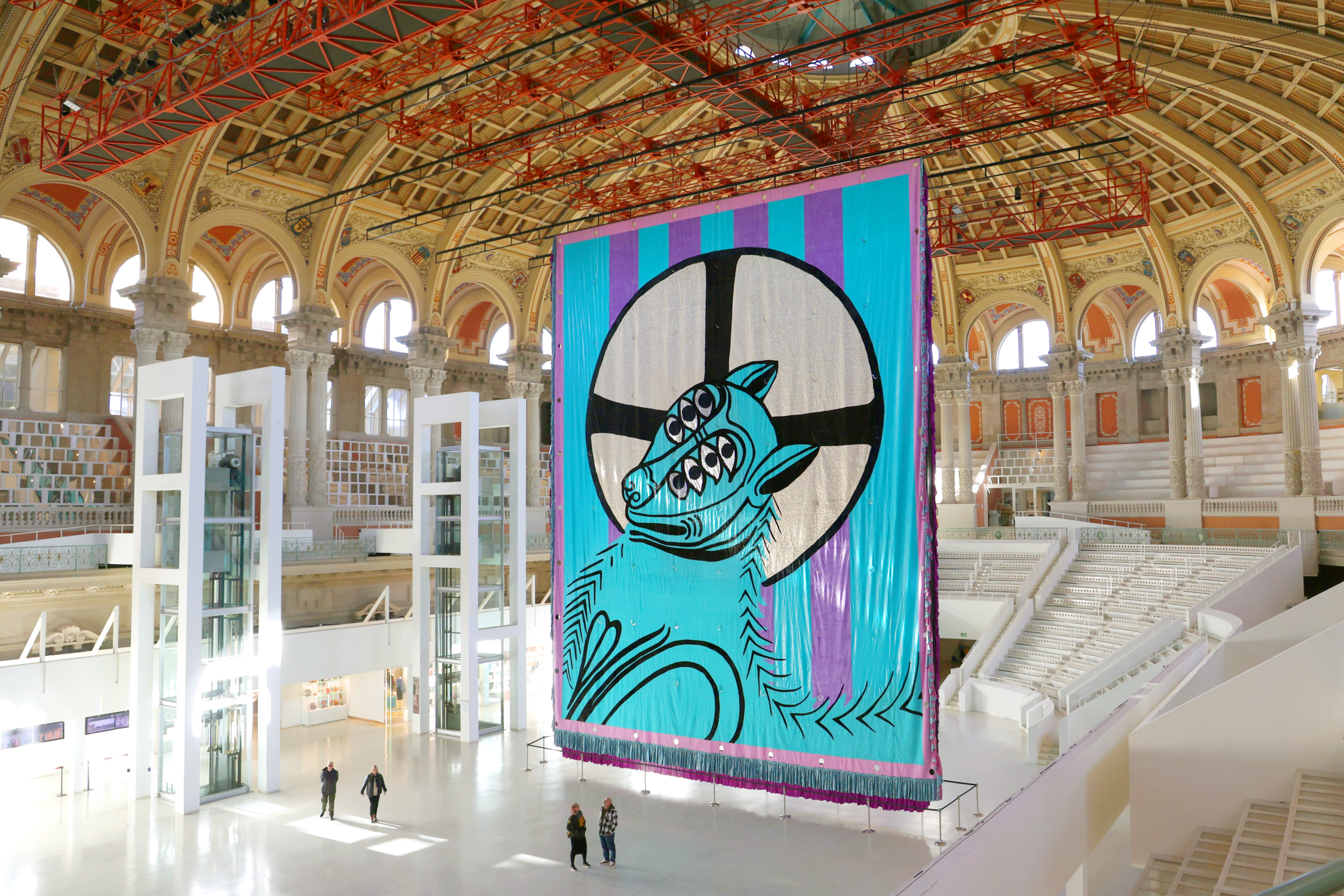
This project affects the Museum as a whole, but especially the collections that will be held in the Palau Victòria Eugènia, which focus on the 19th and 20th centuries. Of all these collections, the expansion will particularly affect those that have never been permanently exhibited, which represent the most pioneering contribution, insofar as they carry out a historic task: to showcase the artistic creation of several generations of artists. Here we are talking about the decades after the Spanish Civil War, from the post-war period to nearly the present day.
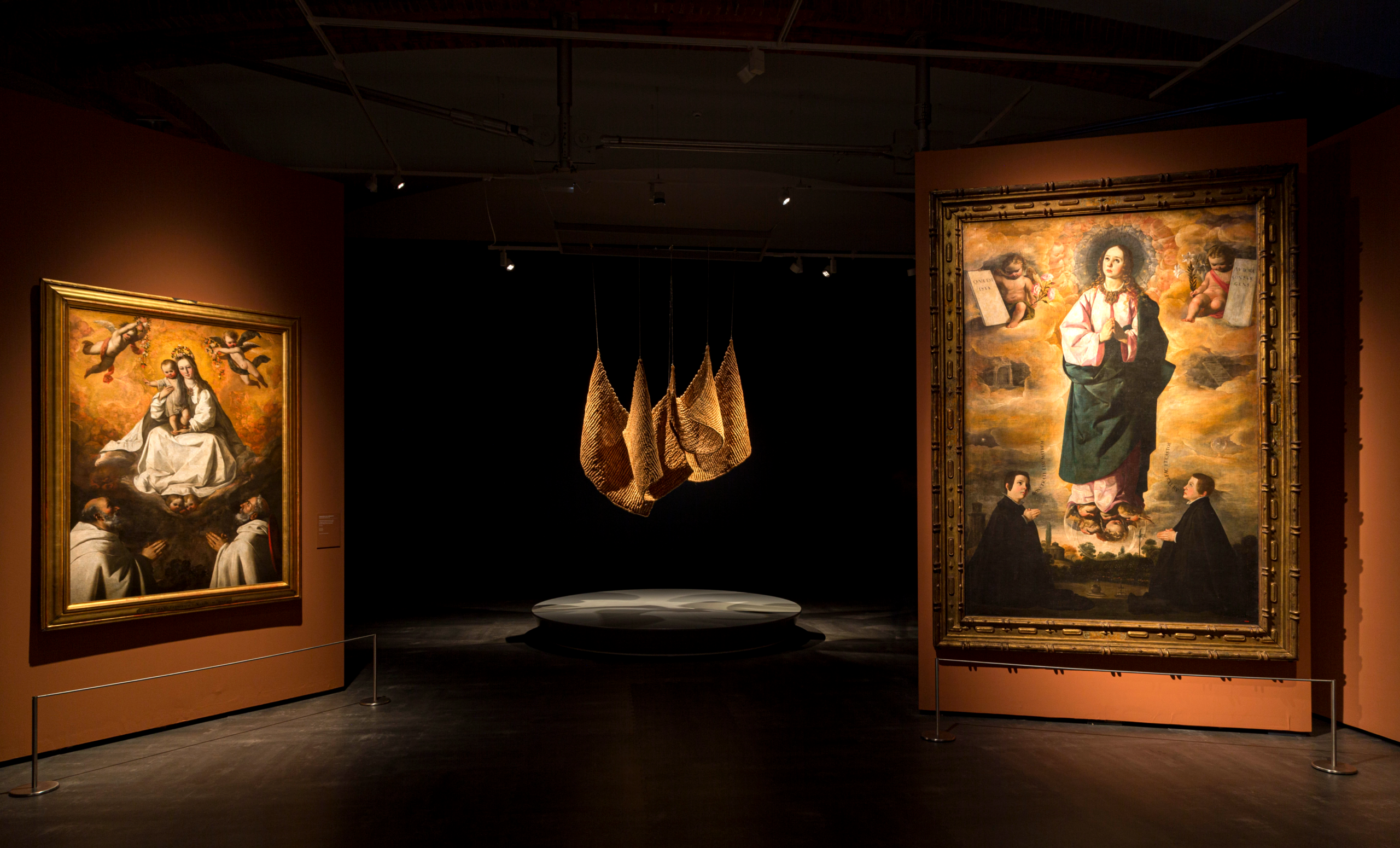
Internally, the work on curating the collections consists of a process that has already begun and involves all the Museum’s teams, in particular the Conservation teams from a variety of departments as well as the Documentation teams. The Museum’s Library and Archive are also actively involved, as they incorporate knowledge and materials relevant to the New MNAC. To varying degrees, other areas involved, such as Museum Studies, Conservation-Restoration, and Registry, will also take part, as they boast first rate expertise from a wide variety of perspectives concerning the collections.
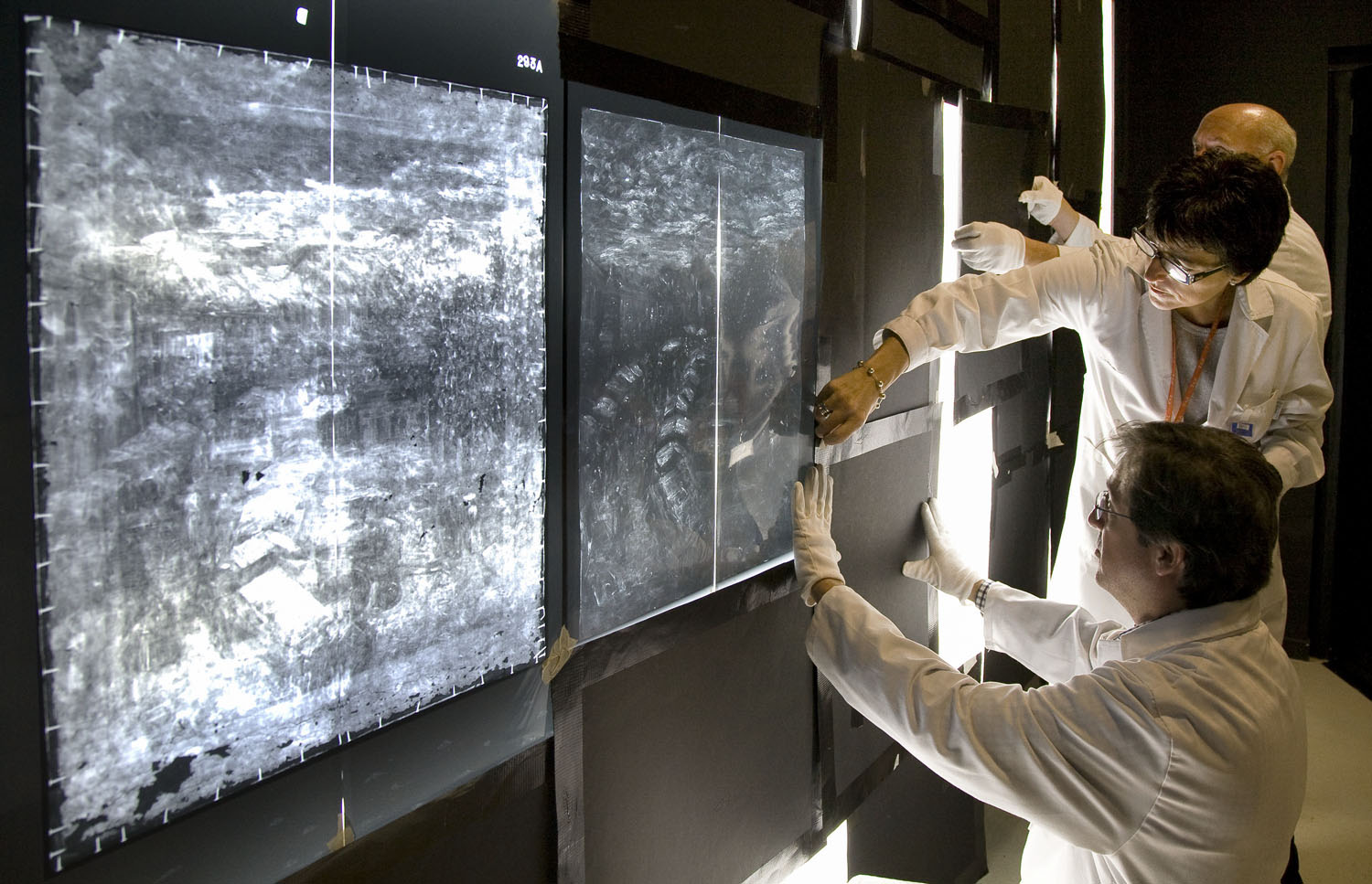
As for external experts, the Museum is relying on reflections and knowledge based on the relationships built on trust over the years with other museums, institutions and professionals. These collaborations can take on numerous forms, always striving to contribute reflections and content to the work process of the New MNAC. In some cases, these are part of long-standing commissions. In others, they are the result of reports commissioned from specialists in specific subjects. Sometimes they arise from specific working sessions with the Museum’s teams. For some time now, the Museum has been working with three leading experts who have contributed their reflections on the New MNAC: Maria Garganté, Ingrid Guardiola and Albert Mercadé. These experts come from different backgrounds with distinct areas of knowledge and they are working with the Museum’s curators.
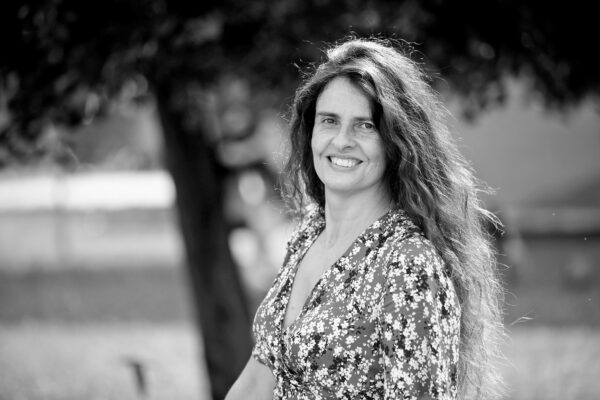
Maria Garganté
She holds a PhD in Art History and a Master’s degree in Anthropology and Ethnography from the University of Barcelona. She is a lecturer at the Autonomous University of Barcelona and at the Antoni Gaudí Faculty of the Ateneu Universitari de Sant Pacià. Her areas of research focus on art and architecture in modern Catalonia and the study of festivities. She is also interested in the relationship between art and gender. A member of the Royal Academy of Sciences and Arts of Barcelona, the Amatller Institute of Hispanic Art Foundation and the Sagrada Família’s artistic advisory committee, she is also an independent curator of exhibitions.
Photo by Juanma Ramos, from El Punt Avui.
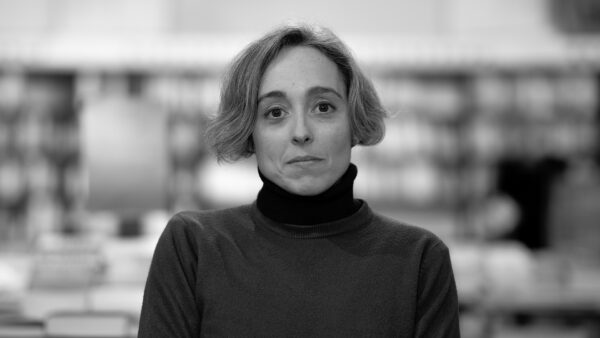
Ingrid Guardiola
She holds a PhD in Humanities from the Pompeu Fabra University, and works as a lecturer at the University of Girona, an essayist, a multimedia producer and a cultural researcher. She was the director of Bòlit, Contemporary Art Centre of Girona from May 2021 to May 2025. Her work explores the social and cultural relations established between culture, technology and society, focusing on issues such as inequality and gender. She is also an independent exhibition curator.
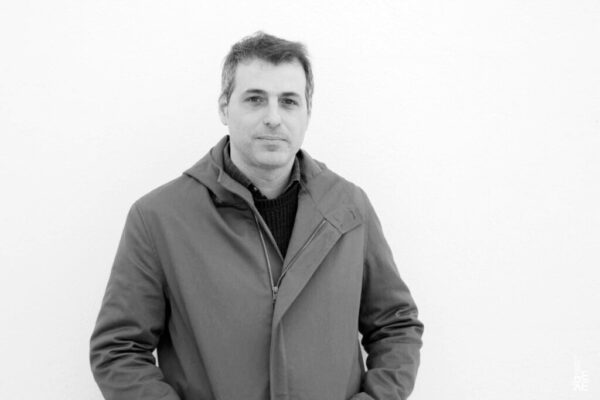
Albert Mercadé
Historian, art critic and independent curator. He is currently president of the Associació Catalana de Crítics d’Art and the artistic director of the Arranz-Bravo Foundation in L’Hospitalet. He holds a PhD in Humanities from the Pompeu Fabra University, he has taught Art Theory at the UPF and at Eina University. His field of research focuses on modern and contemporary Catalan art, and he has organised several exhibitions and monographs devoted to artists such as Tàpies, Galí, Fenosa, Rebull, Arranz-Bravo and Guinovart.
Photo by Albert Malet.
This curatorial work in progress will be supported not only by these commissions, those that are underway as well as the ones that will be developed over time, but also by the public programme launched as part of the New MNAC. The lectures, round table discussions and other activities will feature international museum directors, experts in museum studies and artists, among others. Based on their experience, these people will become knowledge-generating agents for this type of work, insofar as they have in many cases been through similar processes to the one that the MNAC is now experiencing.
Consultation plan
The multifaceted, collaborative nature of the project features the support and engagement of a highly relevant set of strategic partnerships from the cultural sector and civil society built in recent years.
This work has taken the form of a consultation process. Since 2024, this process has involved more than a hundred cultural, socio-economic and institutional agents, including museums, art centres, historical preservation societies, professional associations, sector-wide networks, universities, educational institutions and economic organisations. This process ensures a collaborative approach and contributes to enriching and guiding the project.
The consultation process is closely linked to an activities programme that is open to the public aimed at sharing, contrasting and expanding the contents of the New MNAC. This programme will continue to generate spaces for meeting, debate and participation which will foster a collective conversation around the project.
You may also be interested in…
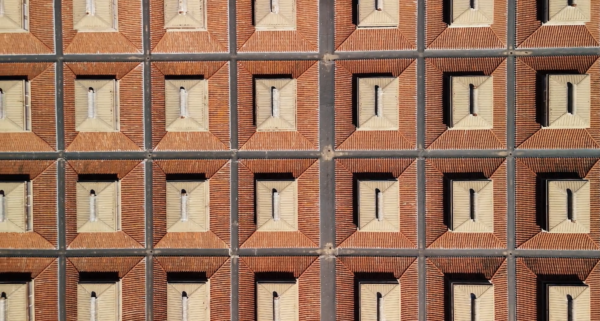
The architectural project
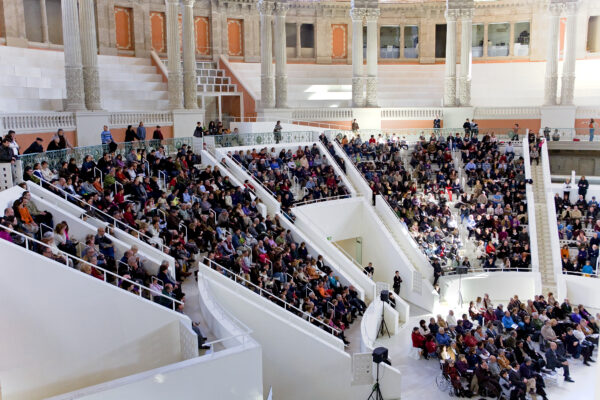
Public programme
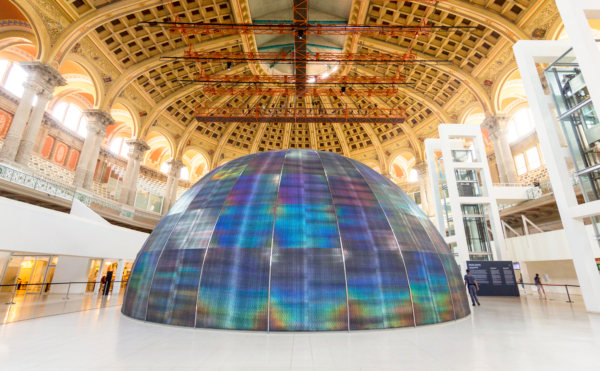
A ten-point case
Discover more on the Canal +MNAC. Discover more on the Canal +MNAC. Discover more on the Canal +MNAC. Discover more on the Canal +MNAC. Discover more on the Canal +MNAC. Discover more on the Canal +MNAC.